Descrizione
History
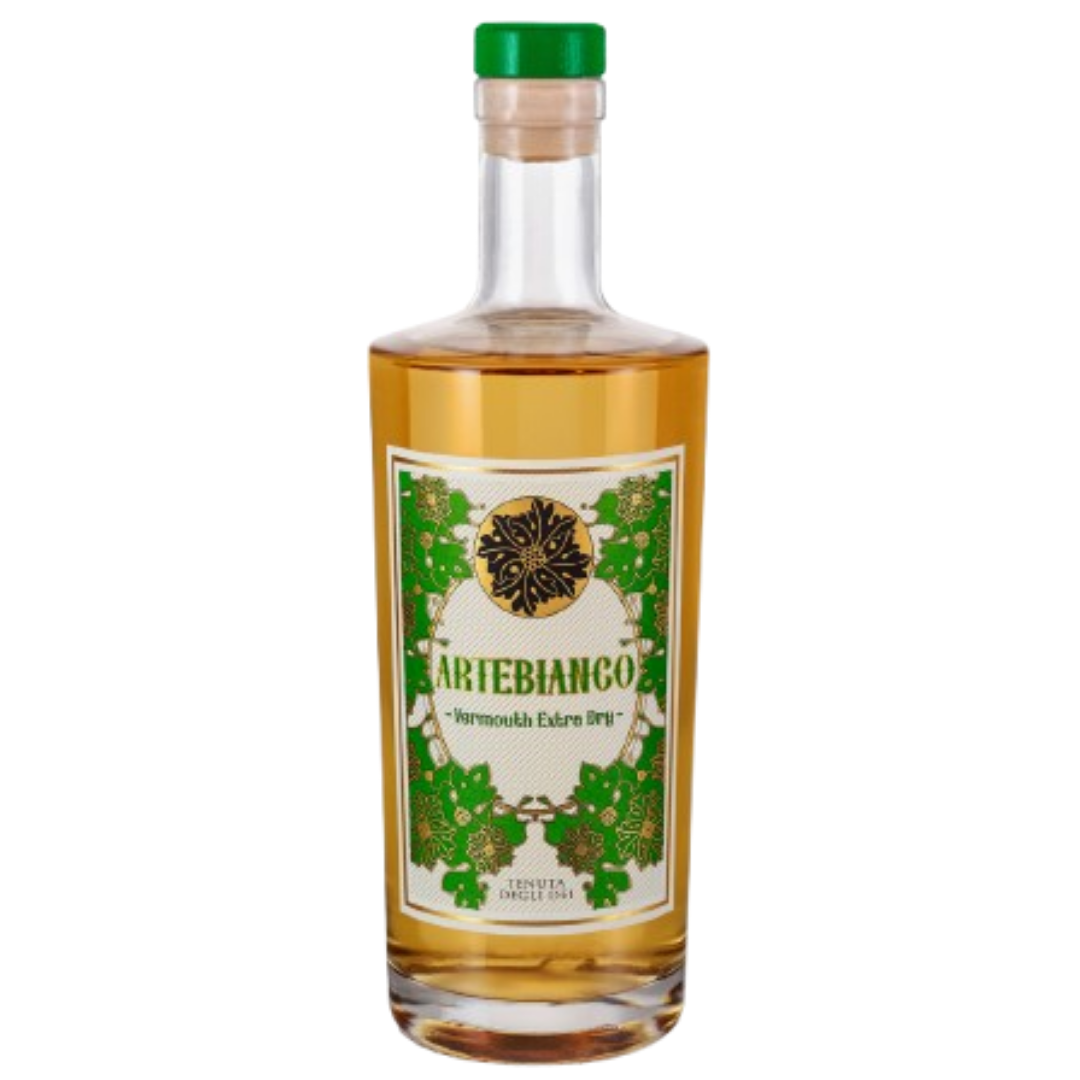
Artevermouth was born from the experience and creative vision behind Ginarte, the Italian gin brand renowned for its close relationship with art and distillation. The range includes two expressions, Artebianco and Arterosso, designed to celebrate the Italian tradition of aromatised wines through careful botanical selection and a refined approach to balance. The project maintains a strong connection with Tuscany and Tenuta degli Dei, located in Panzano in Chianti, a region celebrated for its winemaking heritage. Artebianco represents the fresher and brighter expression of the collection, created to highlight floral, citrus and herbal characteristics in a harmonious, contemporary style.
Botanicals
Wormwood, aromatic herbs, flowers and citrus peels.
Vinification
Artebianco is produced from a base of Italian wine, subsequently aromatised with a selection of botanical extracts, herbs and spices. The production process aims to preserve the fresher and more delicate elements of the recipe, achieving a balance between sweetness, aromatic intensity and the characteristic bitterness of vermouth. The botanical infusions are incorporated into the wine base to create a harmonious profile in which floral and citrus sensations remain clearly recognisable. The result is a versatile white vermouth, suitable for both sipping and cocktail preparation.
Alcohol content
16%.
Tasting notes
Bright straw yellow with delicate golden reflections. The nose reveals an elegant and fragrant bouquet of white flowers, citrus peel and aromatic herbs, accompanied by subtle spicy and balsamic nuances. The palate is smooth, fresh and harmonious, with sweetness balanced by lively citrus flavours and a delicate bitter note. The finish is persistent and pleasantly aromatic, with lingering floral and herbal notes adding finesse and lightness.
Food pairings
Perfect as an aperitif, served chilled or over ice with a twist of lemon or grapefruit peel. Particularly well suited to cocktails such as Vermouth & Tonic, White Negroni and Martini, where it contributes floral aromas and refreshing complexity. At the table, it pairs beautifully with olives, salted almonds, crostini, fresh cheeses, grilled vegetables and delicate seafood appetisers. It is also an interesting match for citrus-based dishes and desserts that are not overly sweet.
Content created and optimized with the support of artificial intelligence and subject to editorial review.